Think about a Go to Market strategy as the essential blueprint connecting your product to its target audience.
In competitive markets, where new products often struggle to differentiate themselves, a well-executed Go To Market strategy minimizes risk, accelerates time-to-market, and aligns internal teams with clear, actionable objectives.
Consider the purpose of a Go To Market strategy. Unlike a broad marketing plan or strategy, GTM hones in on the specific steps required for successful product launches, market expansions, or brand repositioning.
For example, Slack’s product-led GTM approach removed barriers to adoption by focusing on usability and a freemium model, creating viral adoption without significant upfront advertising costs. This strategy demonstrates the value of clear, customer-centered planning.
A key point to remember is that GTM strategies address immediate, tactical needs. They define the target market, messaging, pricing, and distribution, ensuring every step is aligned with customer expectations and market realities.
Over the course of this guide, we’ll explore Go To Market core principles, step-by-step processes, actionable tactics, and metrics for continuous improvement—all while illustrating their impact with real-world examples.
Table of Contents
Go To Market Strategy – Background
To understand the value of a Go To Market strategy, let’s consider its roots and its distinct role within the broader scope of business planning.
Historically, marketing strategy has focused on long-term goals like brand equity and market positioning, with figures like Philip Kotler shaping how businesses approach customer engagement.
GTM strategies, however, emerged to address the specific challenges of market entry, offering tactical clarity and alignment for product launches or expansions.
Think of a GTM strategy as a bridge connecting product innovation to customer engagement.
Unlike a marketing strategy, which might span years, GTM is immediate and tactical, focused on launching products or reaching new customer segments efficiently.
For instance, Microsoft’s GTM strategy for the Surface targeted professionals and students, leveraging direct sales through its stores and partnerships with educational institutions.
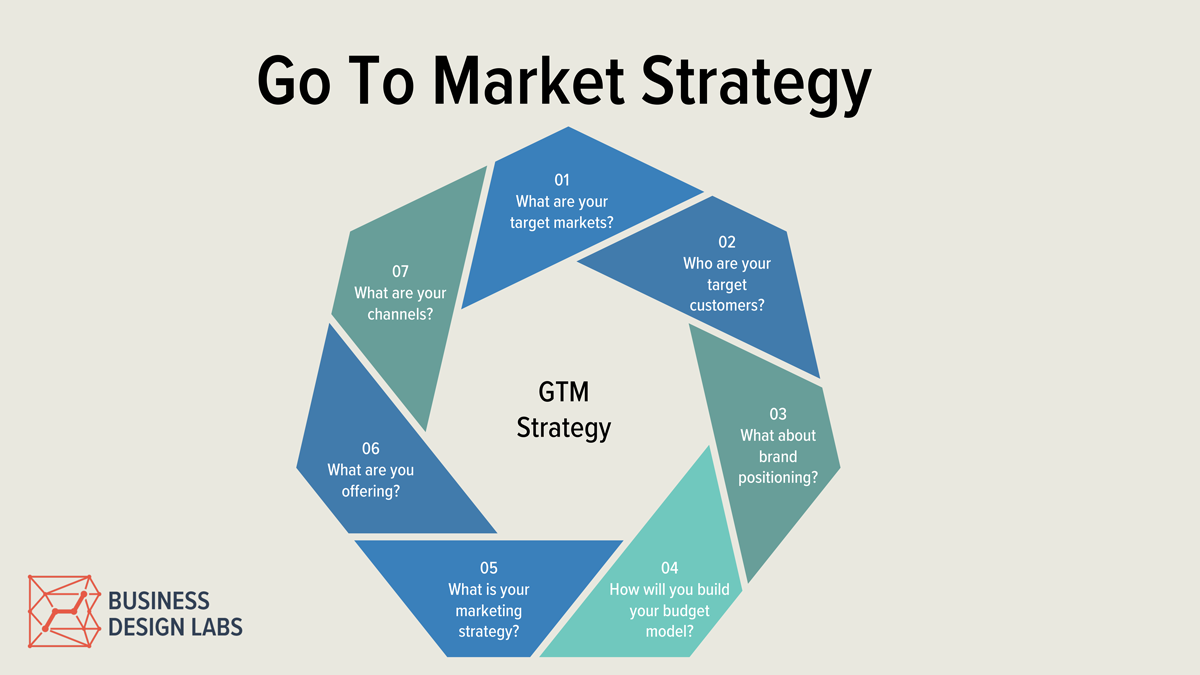
Key Distinctions
- Marketing Strategy: A broad, long-term framework for brand development.
- Marketing Plan: A detailed operational guide for campaigns or initiatives.
- GTM Strategy: Tactical and focused on product launches, defining the audience, messaging, pricing, and distribution.
Whether you’re a startup refining a niche offering or an enterprise exploring new markets, a GTM strategy ensures teams remain aligned and focused on maximising the potential from every marketing dollar spent.
A well-crafted Go To Market strategy works like wave theory: each activity—targeting, messaging, distribution, and measurement—is a ripple that, when aligned and timed, amplifies the others to form a powerful, market-moving wave. Without synchronization, these ripples dissipate, losing their collective force.
Benefits of a Go To Market Strategy
A Go To Market strategy delivers more than a roadmap for launch; it provides a structured approach to growth, alignment, and risk mitigation.
1. Risk Reduction
By identifying target customers, defining pricing, and conducting competitor analysis, GTM strategies reduce costly missteps. For example, analyzing competitors in an oversaturated market can reveal opportunities for differentiation or signal a need to pivot.
2. Accelerated Time-to-Market
A GTM strategy prioritizes critical actions, streamlining execution. Consider a DTC brand launching a skincare product: by focusing on influencer partnerships and targeted paid ads, it reaches high-value customers quickly without wasting resources on less effective channels.
3. Enhanced Customer Experience
When sales, marketing, and support teams align under a GTM strategy, customers benefit from a seamless journey. Imagine encountering consistent messaging across ads, sales calls, and onboarding emails—this cohesion builds trust and loyalty.
4. Growth and Adaptability
By integrating feedback loops into the Go To Marketing process, companies can refine products and uncover new market opportunities. For example, insights from an initial launch might reveal a high-performing niche segment for targeted expansion.
Ultimately, a GTM strategy equips businesses with a repeatable framework for market success.
Core Principles of Go To Market Strategy
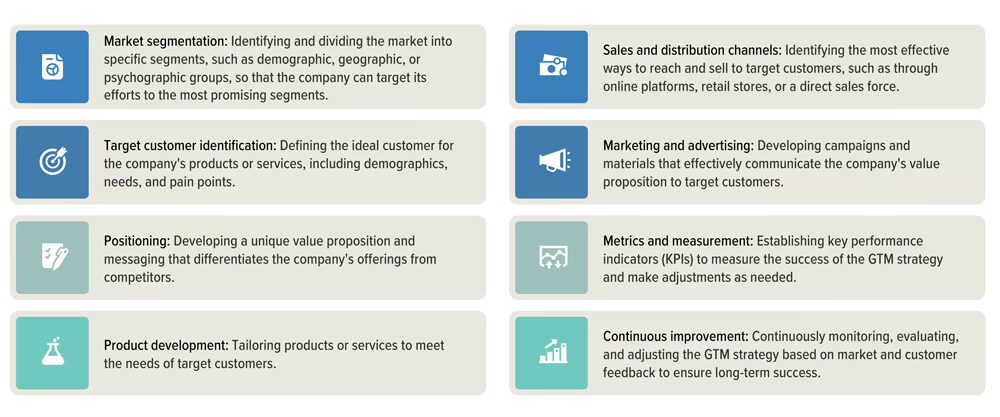
A GTM strategy is built on foundational principles that guide every decision. Think of these as the pillars supporting your product’s successful entry into the market.
1. Market Definition
Understanding your market’s landscape is critical. Identify where your product fits by analyzing gaps, needs, and trends. Use segmentation methods, such as:
- Demographics: Age, income, and profession.
- Psychographics: Lifestyle and values.
2. Target Customers
Precise customer segmentation is essential. An Ideal Customer Profile (ICP) sharpens focus, ensuring your efforts are directed at high-value audiences. Think of this as aiming for the bullseye on a dartboard rather than scattering darts aimlessly.
3. Value Proposition
Your value proposition must clearly articulate why customers should choose your product. Use a value matrix to connect customer pain points to product features. For example, a project management tool might emphasize its ability to save users 10 hours a week by automating repetitive tasks.
4. Distribution Model
Decide whether to use direct, indirect, or hybrid channels:
- Direct: DTC brands like Warby Parker thrive on this model.
- Indirect: Partner networks often work for enterprise software to scale effectively.
5. Pricing
Align pricing with perceived value. Consider tiered pricing or freemium models. For example, Netflix’s multi-tiered approach caters to diverse customer needs while maximizing revenue.
The Steps of a Go To Market Strategy

Executing a Go To Market strategy requires a methodical approach where each step builds upon the last. Think of these steps as chapters in a playbook, guiding your product from concept to market.
1. Identify the Target Market
Precision is key. Use segmentation techniques to define your audience:
Micro-Segmentation: Include behavioral insights like purchase history or platform usage.
Example: A fitness app might target busy professionals looking for quick, effective workout solutions.
2. Define the Value Proposition
Your value proposition is your promise to customers. Highlight measurable benefits:
Example: Slack’s value proposition focused on reducing email reliance through seamless team collaboration.
3. Establish Pricing Strategy
Pricing must align with market expectations and your positioning:
Hybrid Models: Use tiered pricing to attract both entry-level and premium users, as seen with Spotify’s freemium strategy.
4. Craft the Promotion Strategy
Build awareness and engagement through:
Modern Funnels: Incorporate trial offers or free demos to convert leads.
Content Synchronization: Align blog content with ad campaigns to reinforce messaging.
5. Select Sales and Distribution Channels
Your choice of channels determines how effectively you reach your customers:
Example: Apple combines direct retail stores with authorized resellers to balance brand control and scale.
6. Set Metrics and Monitor Performance
Track KPIs to evaluate success:
Advanced Tools: Use Tableau or Google Analytics to visualize trends in Customer Acquisition Cost (CAC) or Net Revenue Retention (NRR).
Key GTM Tactics
Effective GTM tactics transform strategy into actionable outcomes.
1. Buyer Journey Alignment
Tailor messaging to each funnel stage – plan the customer journey
Awareness: Use PR, social ads, and SEO content.
Consideration: Provide case studies, webinars, or free trials.
Decision: Deploy personalized demos or discounts.
2. Partnerships
Strategic partnerships amplify reach and reduce costs. For example, a SaaS company could bundle its offerings with complementary services to attract new customers.
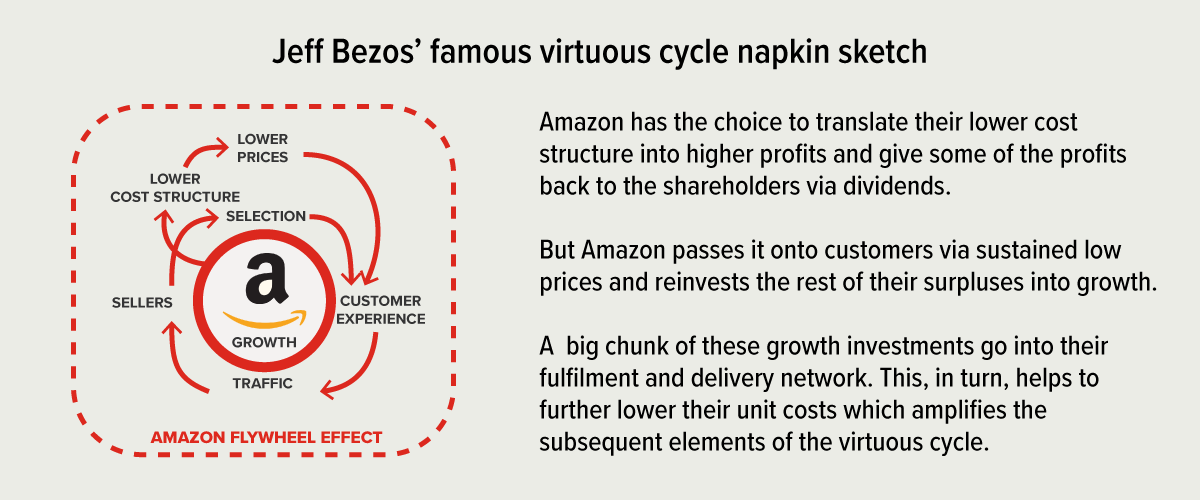
3. Flywheel Model
Instead of focusing solely on conversions, the flywheel model emphasizes continuous customer engagement and advocacy, driving sustained growth.
GTM Case Studies
Apple iMac G3
Apple’s go to market strategy for the iMac G3 targeted three audiences – new computer users, loyal Apple customers, and PC owners. Its simple, colorful design and $100M marketing blitz repositioned Apple as innovative, achieving massive sales.
Slack
Slack’s product-led go to market strategy relied on its freemium business model, allowing teams to experience the platform before committing. This removed barriers and created viral growth.
Cognism
Cognism’s go to market strategy focused on direct sales, partnerships, and content marketing, using high-quality data to target decision-makers effectively.
The Marketing Funnel: Driving Customer Acquisition with GTM
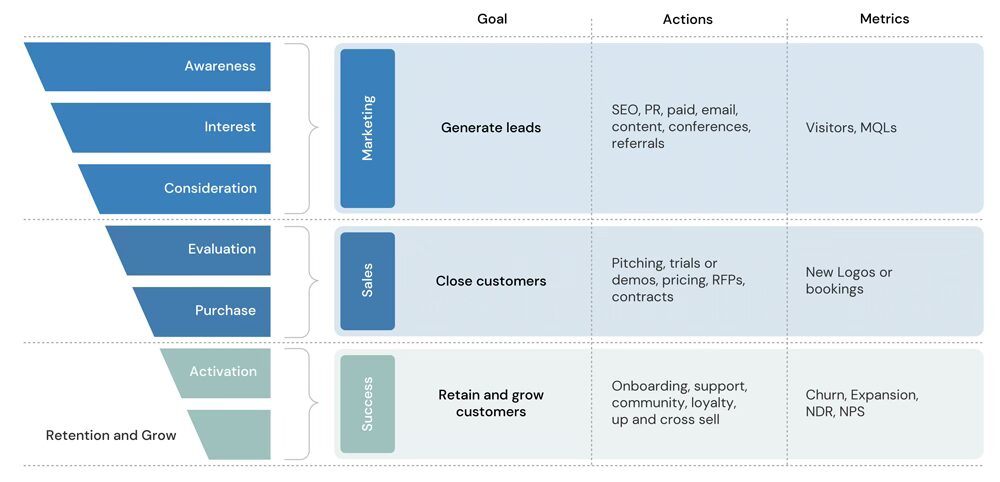
At its core, the role of a Go-to-Market (GTM) strategy is to guide a product through the marketing funnel, turning awareness into customer acquisition and ultimately loyalty. Think of the funnel as the customer’s journey, and your GTM strategy as the map directing them from one stage to the next.

1. Awareness Stage: Building Initial Interest
This is where your product first enters a potential customer’s field of view. The goal here is to maximize visibility and pique curiosity.
- Tactics: Use PR campaigns, social media ads, and SEO content to create buzz. Educational content like blog posts, videos, or infographics helps to position your product as a solution to a problem.
- Example: Peloton’s awareness campaigns emphasized their product’s lifestyle appeal through high-quality video ads featuring their innovative bikes in aspirational settings.
2. Consideration Stage: Nurturing Leads
Here, potential customers are evaluating your product against competitors and deciding whether it meets their needs. Your GTM strategy must provide persuasive information that reduces friction in the decision-making process.
- Tactics: Offer free trials, detailed case studies, webinars, or comparison guides. Ensure your messaging aligns with customer pain points and clearly differentiates your product from alternatives.
- Example: Dropbox successfully used a freemium model to allow users to test the platform with limited features before committing to paid plans.
3. Decision Stage: Converting Leads to Customers
The decision stage is where prospects make their final purchase decision. Your GTM strategy needs to make the buying process as seamless and compelling as possible.
- Tactics: Provide personalized offers, live demos, or testimonials that build trust and confidence in your product. Simplify the purchase process by reducing unnecessary steps or offering limited-time discounts to create urgency.
- Example: Amazon leverages customer reviews and 1-click purchasing to simplify decision-making and close sales quickly.
4. Retention and Advocacy: Beyond the Funnel
A modern Go To Market strategy doesn’t stop at conversion. Customer retention and advocacy—where satisfied customers promote your product—are critical for sustainable growth.

- Tactics: Create loyalty programs, collect feedback, and encourage reviews or referrals. Delighted customers often become the most effective ambassadors for your brand.
By integrating the marketing funnel into your go to market strategy, you ensure that every stage of the customer journey is strategically addressed, driving not just customer acquisition but also long-term loyalty. Let’s now explore how to measure the success of these efforts using metrics.
Metrics and Continuous Improvement
Metrics ensure your go to market strategy delivers results and adapts over time.
1. Key Metrics
- CAC: Tracks customer acquisition efficiency.
- NRR: Highlights revenue growth through renewals or upsells.
- Sales Cycle Length: Diagnoses friction points.
2. Advanced Analytics
Use real-time tools like Tableau to monitor campaign performance and reallocate resources based on ROI.
3. Iterative Testing
Refine messaging, pricing, and channels based on A/B testing and customer feedback. Think of metrics as your go to market strategy’s dashboard, guiding adjustments for continuous improvement.
Go To Market Strategy – Common Challenges and Solutions
Even the most meticulously planned Go to Market strategy can encounter obstacles. Addressing these challenges early can prevent costly delays or missteps.
1. Time Constraints
Pressure to launch quickly can lead to hasty decisions and incomplete preparation. This is especially true for startups with limited resources.
- Solution: Use the Minimum Viable Product (MVP) approach. Launch a streamlined version of your product to validate demand while refining the full offering post-feedback. For example, Dropbox used an MVP to test user interest before investing heavily in development.
2. Market Misalignment
Misjudging market demand or customer needs can derail a GTM strategy. This often happens when companies rely on assumptions rather than data.
- Solution: Conduct rigorous competitor and market analysis during the planning phase. Use tools like SEMrush or customer surveys to understand what gaps your product fills and adjust positioning accordingly.
3. Siloed Teams
When marketing, sales, and support teams operate independently, it leads to inconsistent messaging and poor customer experiences.
- Solution: Foster cross-functional collaboration through shared KPIs, regular alignment meetings, and integrated project management tools like Monday.com or Asana. Clear communication ensures all teams work toward the same objectives.
4. Budget Overruns
Unexpected costs can arise from overspending on low-performing channels or underestimating operational expenses.
- Solution: Establish clear budget parameters and monitor spending using tools like HubSpot or Google Analytics to track ROI by channel.
By proactively addressing these challenges, businesses can execute GTM strategies with greater confidence and efficiency.
Go To Market Strategy FAQs
1. What’s the difference between Go To Market Strategy and a marketing strategy?
A go to market strategy focuses on launching specific products or entering markets, while a marketing strategy defines long-term goals like brand equity and audience engagement.
2. How does a go to market strategy align with a marketing plan?
The GTM strategy guides the foundational elements of market entry, such as target audience, pricing, and messaging, while the marketing plan operationalizes these goals through campaigns.
3. How can got to market strategies be tailored to startups vs. enterprises?
Startups may prioritize speed and MVP launches, while enterprises focus on scalability and cross-departmental alignment.
4. Are compliance factors relevant in go to market strategies?
Yes. Industries like healthcare and finance require strict adherence to regulations. Integrating compliance checks into your GTM planning reduces the risk of legal complications.
5. What tools can support go to marketing execution?
Tools like Salesforce (CRM), HubSpot (marketing automation), and Tableau (data visualization) are invaluable for tracking performance and refining strategy.


