The Klarna business model focuses on the value proposition of “Buy Now, Pay Later”.
Klarna, the Swedish fintech giant, has transformed how consumers shop online by offering a seamless and flexible payment experience.
Klarna has become a household name in the e-commerce industry, partnering with thousands of merchants and serving millions of customers worldwide.
In this article, I’ll explore Klarna’s fascinating business model, its history, ownership, and the strategies that have propelled it to success.
Table of Contents
How Does Klarna Work?
The Klarna business model is built around offering a range of payment solutions for online shoppers and merchants.
Its core product is the “Buy Now, Pay Later” service, which allows consumers to split their purchases into interest-free instalments or defer payment for a later date.
Klarna pays the merchant upfront, while the consumer repays Klarna over time, making it an attractive option for both parties. Klarna also offers traditional payment methods, such as direct payments and post-purchase invoicing, catering to various customer preferences.
Key Facts About Klarna
Klarna
Sebastian Siemiatkowski, Niklas Adalberth, and Victor Jacobsson
2005
2005
Sebastian Siemiatkowski
Stockholm, Sweden
5,500 (2023)
privately held company
SEK 981 billion
SEK 23.5 billion
privately held company
Useful Links for Klarna









A Brief History of Klarna

- 2005: Klarna is founded in Stockholm, Sweden, by Sebastian Siemiatkowski, Niklas Adalberth, and Victor Jacobsson.
- 2007: Klarna launches its invoice-based payment service in Sweden, allowing customers to pay for their online purchases after receiving the goods.
- 2010: Klarna expands its services to Germany, Austria, and the Netherlands, marking the beginning of its international growth.
- 2011: Klarna receives a banking license from the Swedish Financial Supervisory Authority, enabling it to offer a wider range of financial services.
- 2014: Klarna launches its “Smoooth” campaign, emphasizing its focus on providing a smooth and frictionless payment experience for customers.
- 2015: Klarna expands to the United States, entering one of the world’s largest e-commerce markets.
- 2017: Klarna acquires BillPay, a German payment service provider, strengthening its position in the European market.
- 2019: Klarna becomes the most valuable fintech startup in Europe, with a valuation of $5.5 billion following a $460 million funding round.
- 2020: Klarna experiences significant growth during the COVID-19 pandemic, as more consumers turn to online shopping and seek flexible payment options.
- 2021: Klarna raises $1 billion in a funding round led by SoftBank, valuing the company at $31 billion and making it one of the world’s most valuable fintech companies.
- 2022: Klarna faces challenges amidst a changing economic environment, leading to layoffs and a revised valuation of $6.7 billion in a funding round.
Who Owns Klarna?
Klarna is a privately held company whose ownership is distributed among its founders, employees, and various institutional investors.
As of 2021, the company’s largest shareholders include Sequoia Capital, Silver Lake, SoftBank Vision Fund, and Dragoneer Investment Group.
Klarna’s founders, Sebastian Siemiatkowski, Niklas Adalberth, and Victor Jacobsson, also retain significant stakes in the company.
Despite its rapid growth and numerous funding rounds, Klarna has chosen to remain privately owned, allowing it to focus on long-term strategic goals and maintain its innovative culture.
Klarna Mission Statement
“We make shopping smoooth. And we do it with flair because shopping is fun. Every day, we help customers, businesses, and the economy thrive.”
How Klarna Business Model Works
The Klarna business model revolves around making online shopping easier, more accessible, and more enjoyable for consumers while helping merchants increase sales and customer loyalty.
The company achieves this by offering various payment solutions catering to different customer preferences and purchasing habits.
The core of Klarna’s business model is its “Buy Now, Pay Later” service, which allows customers to split their purchases into interest-free instalments or defer payment for a later date.
This flexible payment option encourages customers to make larger purchases and helps merchants increase their average order value.
Klarna assumes the credit risk and pays the merchant upfront, while the customer repays Klarna over time, typically in four equal instalments or within 30 days.
Klarna reduces friction in the buying process by allowing customers to avoid entering their payment details each time they make a purchase, improving merchants’ conversion rates.
The company’s advanced risk assessment algorithms and fraud detection mechanisms also help ensure a secure and reliable payment experience for all parties involved.
Klarna also offers complementary services like customer financing, shopping inspiration, and post-purchase support. These value-added features enhance the customer experience, help Klarna differentiate itself from competitors, and build lasting relationships with consumers and merchants.
Key Features of The Klarna Business Model
- The “Buy Now, Pay Later” service allows customers to split purchases into interest-free instalments or defer payments, making online shopping more accessible and affordable.
- Smooth checkout process: Eliminates friction in the buying process, improving conversion rates and customer satisfaction.
- Advanced risk assessment: Utilizes AI and machine learning to assess customer creditworthiness and prevent fraud, ensuring a secure payment experience.
- Merchant partnerships: Collaborates with various merchants across industries, helping them increase sales, customer loyalty, and average order value.
How Does Klarna Make Money?
Key Financial Metrics for 2023
- Gross Merchandise Volume (GMV): SEK 981 billion, up 17% year-over-year.
- Revenue: Totalled SEK 23.5 billion, a 22% increase from the previous year.
- Net Result: Showed an improvement, with losses narrowing to SEK 2.5 billion from SEK 10.4 billion in the previous year, reflecting better operational efficiency and cost management.
- Revenue Streams: Klarna’s revenue is primarily derived from two main sources:
- Transaction and Service Revenue: This includes fees collected from merchants for facilitating transactions through Klarna’s payment solutions. In 2023, this segment grew 29% year over year.
- Interest Income from Consumer Loans: Although Klarna offers interest-free payment solutions, it also earns interest from consumer credit where applicable. In 2023, interest income decreased slightly, which aligns with Klarna’s strategy to focus more on fixed-term, interest-bearing loans rather than revolving credit.
- Geographic Performance: Klarna reports its performance segmented by key markets, notably emphasizing the growth in the United States:
- United States: In 2023, Klarna’s US operations turned a profit for the first time, showing a gross profit of SEK 1.4 billion. This represents a significant shift as Klarna expands and solidifies its foothold in North America.
Klarna Business Model Patterns
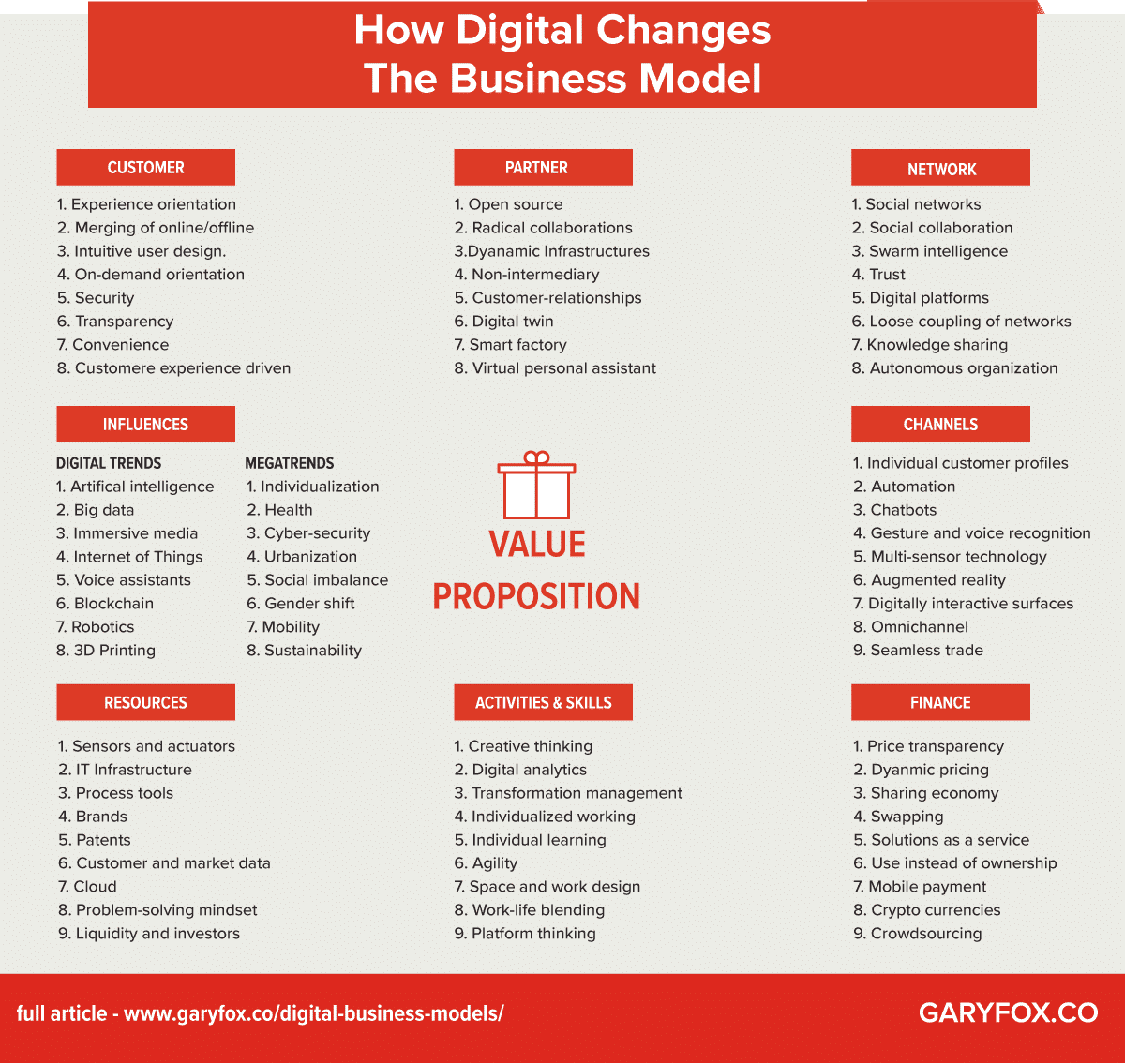
Klarna Business Model Canvas
The Klarna business model canvas highlights all nine sections of the business model.

The Alibaba Business Model

Klarna Customer Segments
The Klarna business model includes the following as key customer segments:

Klarna Value Propositions
The Klarna business model focuses on the following value propositions to meet the needs of its various customer segments:

Klarna Channels
The Klarna business model uses the following channels to reach and engage with its customers:

Klarna Customer Relationships
The Klarna business model aims to develop and maintain its customer relationships using the following methods:

Klarna Key Activities
Klarnafocuses on the business model key activities essential to deliver value to its customers, generate revenue, and maintain its competitive position in the market:

Klarna Key Resources
The Klarna business model harnesses the following as key resources:

Klarna Key Partners
The Klarna business model relies on a diverse network of key partners for specialized expertise, resources, and capabilities to enable to delivery of its value propositions:

Klarna Revenue Streams
The Klarna business model generates the following revenue streams:

Klarna Cost Structure
The Klarna business model incurs the following as the main costs associated with its operations:
The Future of the Klarna Business Model
Klarna Competitive Landscape: Klarna faces significant competition from other BNPL firms like Afterpay, Affirm, and PayPal’s “Pay in 4” service. These companies offer similar services, leading to a lack of differentiation in the BNPL space.
Major payment processors and credit card companies, including Visa and Mastercard, are also entering the BNPL market, leveraging their vast networks and established relationships with banks and merchants. This expansion by traditional financial entities could dilute Klarna’s market share.
Klarna Regional Challenges and Opportunities: Klarna’s operations span across Europe, North America, and Australia, with plans to expand further. However, different regions present unique challenges:
- Europe: The European market is seeing tighter regulatory frameworks around BNPL services, aimed at protecting consumers from over-indebtedness. The UK, for example, is moving to regulate BNPL products under the Financial Conduct Authority, which could increase operational costs and affect profitability.
- North America: While the market is large and growing, it is also highly competitive with players like Affirm and PayPal. Klarna will need to innovate beyond traditional BNPL offerings to capture and retain users.
- Australia: As one of the early adopters of BNPL, Australia is seeing market saturation and regulatory changes that could impact Klarna’s growth.
Klarna Technological Innovations and Challenges: Technology remains a double-edged sword in Klarna’s strategy.
On one side, technological advancements allow Klarna to enhance user experiences and streamline operations.
On the other, they must continuously invest in cybersecurity measures to protect consumer data, a critical concern given the financial nature of its services.
Additionally, emerging technologies like blockchain and cryptocurrencies could disrupt traditional BNPL services by offering new forms of payment that bypass conventional financial systems.
Klarna Investor Sentiment and Financial Health: Investor confidence in Klarna has been strong, as evidenced by its valuations in successive funding rounds, making it one of Europe’s highest-valued startups.
However, as the market matures and profitability pressures increase, investors may scrutinize Klarna’s growth sustainability more closely, especially given its reported losses.
Achieving profitability and demonstrating a clear path to sustained financial health will be crucial for maintaining investor confidence.
Klarna Opportunities for Growth: Despite these challenges, opportunities abound for Klarna:
- Expansion into New Markets: Emerging markets with low credit card penetration and high mobile usage represent significant opportunities for Klarna. Tailoring products to meet local needs while navigating regulatory landscapes will be key.
- Partnerships and Diversification: Klarna can leverage partnerships with retailers and other financial institutions to offer a broader range of services, such as savings accounts, insurance, and investment products, diversifying its revenue streams.
- Technology-Driven Solutions: Investing in AI and machine learning could enhance personalized shopping experiences, improve risk assessment algorithms, and reduce fraud, setting Klarna apart from competitors.
Klarna Business Model Conclusion: While Klarna’s future is promising, it is fraught with challenges. The company’s ability to innovate, adapt to regulatory changes, and penetrate new markets will determine its long-term success.
Diversification of services and continuous technological enhancement will be pivotal in maintaining a competitive edge in the fast-evolving BNPL sector. Without significant differentiation and adaptation, Klarna risks losing ground to new entrants and established financial services companies expanding into its territory.