The Walmart business model involves offering the best prices through the vast scale of its global retail operations and unparalleled buying power.
Walmart offers a combination of low prices, a wide product assortment, and convenient shopping experiences.
With its massive economies of scale, efficient supply chain, and relentless focus on cost reduction, Walmart has become a dominant force in the retail industry.
In this article, I explore the business model that has created the largest global retailer.
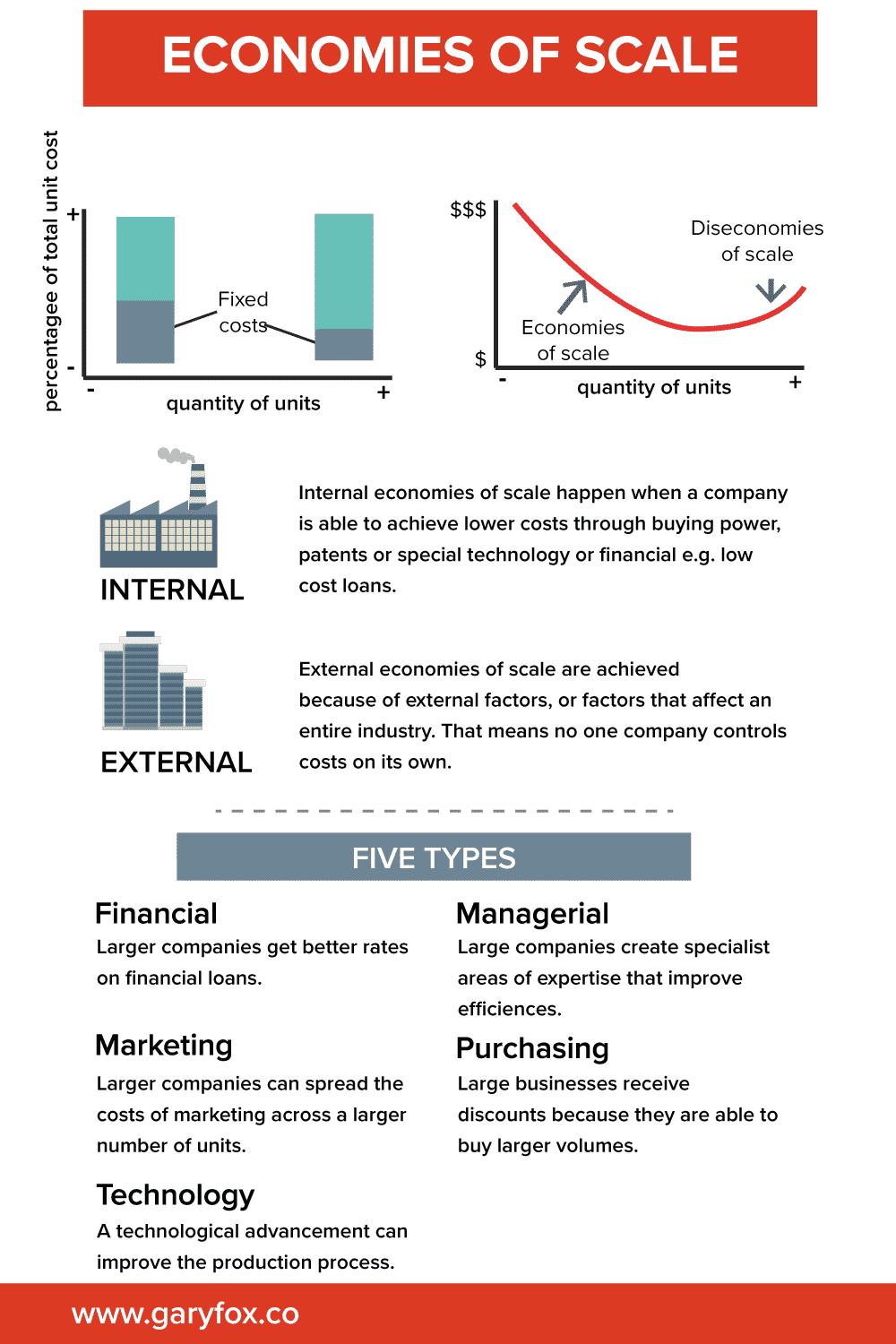
Table of Contents
How Does Walmart’s Business Work?
The Walmart business model involves offering a wide variety of products at consistently low prices, attracting cost-conscious consumers, and encouraging high-volume purchases.
The company operates a chain of hypermarkets, discount department stores, and grocery stores, serving millions of customers worldwide.
Walmart leverages its immense purchasing power to negotiate favourable terms with suppliers, maintaining low prices while generating profits.
Key Facts About Walmart
Walmart
Sam Walton.
July 2, 1962
1962
Doug McMillon
Bentonville, Arkansas, USA
2.3 million people worldwide
WMT
$611 billion (2023)
$11.292 billion (2023)
$484.61 billion (April 2024)
Useful Links for Walmart









A Brief History of Walmart

Walmart was founded in 1962 by Sam Walton, an entrepreneur who believed in offering customers the lowest possible prices.
Walton’s vision and leadership laid the foundation for Walmart’s growth and success. Over the years, the company has expanded its presence across the United States and internationally to become a global retail powerhouse.
Key milestones in Walmart’s history include:
- 1962: Sam Walton opens the first Walmart store in Rogers, Arkansas
- 1968: Walmart opens its first distribution centre and home office in Bentonville, Arkansas 1972: Walmart goes public on the New York Stock Exchange
- 1983: The first Sam’s Club membership warehouse store opens
- 1988: Walmart opens its first Supercenter, combining general merchandise and grocery items
- 1991: Walmart becomes the largest U.S. retailer in terms of revenue
- 1994: Walmart expands internationally, opening its first store outside the U.S. in Mexico
- 2000: Walmart.com launches, marking the company’s entry into e-commerce
- 2002: Walmart enters the Fortune 500 list as the largest corporation in the United States
- 2007: Walmart surpasses $350 billion in annual sales
- 2010: Walmart acquires Vudu, a digital video store and streaming service
- 2016: Walmart acquires Jet.com for $3.3 billion, bolstering its e-commerce capabilities
- 2020: Walmart launches Walmart+, a membership program to compete with Amazon Prime
Who Owns Walmart?
Walmart is a publicly traded company whose shares are listed on the New York Stock Exchange under the ticker symbol WMT.
The company’s ownership structure includes a mix of institutional investors, mutual funds, and individual shareholders.
The Walton family, descendants of founder Sam Walton, holds a significant portion of Walmart’s shares and maintains a controlling interest in the company.
As of 2021, the Walton family owns approximately 50% of Walmart’s outstanding shares, ensuring their continued influence over its strategic direction and decision-making.
Walmart Mission Statement
Walmart’s mission statement is “to save people money so they can live better.”
How Walmart Works
The Walmart business model is built on several key pillars that contribute to its success:
- Everyday Low Prices (EDLP): Walmart is committed to offering the lowest prices possible on a wide range of products, attracting price-sensitive customers and encouraging repeat visits.
- Efficient Supply Chain: Walmart has developed a highly efficient supply chain, leveraging advanced technology, data analytics, and strategic partnerships with suppliers to minimize costs and ensure a steady flow of goods to its stores.
- Scale and Purchasing Power: As the world’s largest retailer, Walmart has immense purchasing power, enabling it to negotiate competitive terms with suppliers and pass the savings on to customers.
- Wide Product Assortment: Walmart offers a wide array of products across multiple categories, including groceries, electronics, apparel, home goods, and more, making it a one-stop shop for many consumers.
- Omnichannel Presence: Walmart has embraced an omnichannel strategy, integrating its brick-and-mortar stores with its e-commerce platform, allowing customers to shop seamlessly across different channels.
- Cost-Cutting Measures: Walmart is relentless in its pursuit of cost reduction, implementing various measures such as energy-efficient stores, optimized logistics, and streamlined operations to minimize expenses and maintain low prices.
- Focus on Customer Service: Despite emphasising low prices, Walmart strives to provide excellent customer service, with friendly associates, clean stores, and convenient services such as self-checkout and curbside pickup.
The Revenue Model of Walmart
The Walmart revenue model produces the following streams:
- Retail Sales: Walmart’s primary source of revenue comes from the sale of goods in its stores and online platforms, including groceries, electronics, apparel, home goods, and more.
- Membership Fees: Walmart’s Sam’s Club division generates revenue through annual membership fees, granting customers access to discounted bulk purchases.
- Financial Services: Walmart offers various financial services, such as money transfers, check cashing, and bill payments, generating revenue through fees and commissions.
- Advertising: Walmart generates revenue by selling advertising space on its website and stores to suppliers and third-party advertisers.
- Marketplace Commissions: Walmart’s e-commerce platform allows third-party sellers to list their products, generating revenue through commissions on each sale.
What is Walmart’s Business?
Walmart’s supermarket business model is all about retail/etail and offering a wide choice of products and services to their customers.
Their supply chian caters to the different tastes and needs of millions of consumers across the world markets and includes large markets such as United States, Mexico, Canada, and UK.
The company’s competitive advantages include its strong brand recognition, extensive store network, and ability to adapt to changing consumer preferences.

Key Features of Walmart’s Business Model
- Everyday Low Prices (EDLP) strategy, focusing on consistently offering the lowest prices possible
- Efficient supply chain and logistics, enabling cost reduction and timely product availability
- Massive scale and purchasing power, allowing for favourable supplier negotiations and cost savings
- Wide product assortment, serving as a one-stop-shop for consumers across multiple categories
- Omnichannel presence, integrating brick-and-mortar stores with e-commerce capabilities for seamless shopping experiences
The Walmart Business Model Canvas
I’ve detailed below the complete Walmart business model canvas:

The Walmart Business Model

Walmart Customer Segments
The Walmart business model caters to a wide range of customer segments:

Walmart Value Proposition
The Walmart business model revolves around the value proposition of offering a wide variety of products at consistently low prices, making it an attractive choice for cost-conscious consumers. The company’s extensive product assortment and convenient store locations make it a one-stop shopping destination for families and households. Walmart’s focus on providing reliable product quality and a streamlined shopping experience further enhances its value to customers.

Walmart Channels
The Walmart business model focuses on an omnichannel approach to reach and engage with its customers:

Walmart Customer Relationships
The Walmart business model strongly emphasises building and maintaining customer loyalty. The company employs various strategies to foster a positive user experience. The main aspects of Walmart’s customer relationships include:

Walmart Key Activities
The Alibaba business model involves key activities focused on managing complex products and services efficiently and effectively. The activities for Walmart include:

Walmart Key Resources
The Walmart business model focuses on key resources related to its retail stores, investments in infrastructure and operations. These resources are critical to Walmart’s success and help support its various business operations. The resources for Walmart include:

Walmart Key Partners
The Walmart business model relies on a network of key partners that play a crucial role in supporting the company’s operations, growth, and success. These partnerships span multiple industries and are global. Walmart leverages specialized expertise, resources, and capabilities to enhance its value proposition and deliver a seamless experience to its customers.

Walmart Revenue Streams
The Walmart business model generates revenue through several key streams other than retail operations. The main revenue streams for Walmart include:

Walmart Cost Structure
The Walmart business model involves a heavy infrastructure coss essential to maintaining and growing its operations. The main components of Walmart’s cost structure include:
Walmart Business Model Patterns

The Future of the Walmart Business Model
- Growth and Diversification: Walmart actively diversifies its earnings through category mixes and business initiatives like advertising, financial services, and memberships. This will contribute to mid-single-digit sales growth over the next few years. (Walmart Corporate News and Information).
- Economic Resilience: Walmart has historically shown resilience in economic downturns, primarily attributed to its focus on essentials like groceries and everyday items.
- Technological Investments: The company has made substantial investments in its supply chain and digital platforms which shows its commitment to transform its business model to be more tech-powered. Investments are anticipated to improve operating margins and create seamless customer experiences, both online and in-store.
- Financial Health: Financial analysts have positively revised Walmart’s price targets, reflecting confidence in the company’s fundamentals and growth potential. The consensus among analysts suggests a bullish outlook for the stocks (MarketScreener).
- Challenges: Despite these strengths, Walmart faces challenges, including vulnerability to high food inflation and shifts in consumer spending habits, which could affect discretionary spending and overall profitability (Finbold).